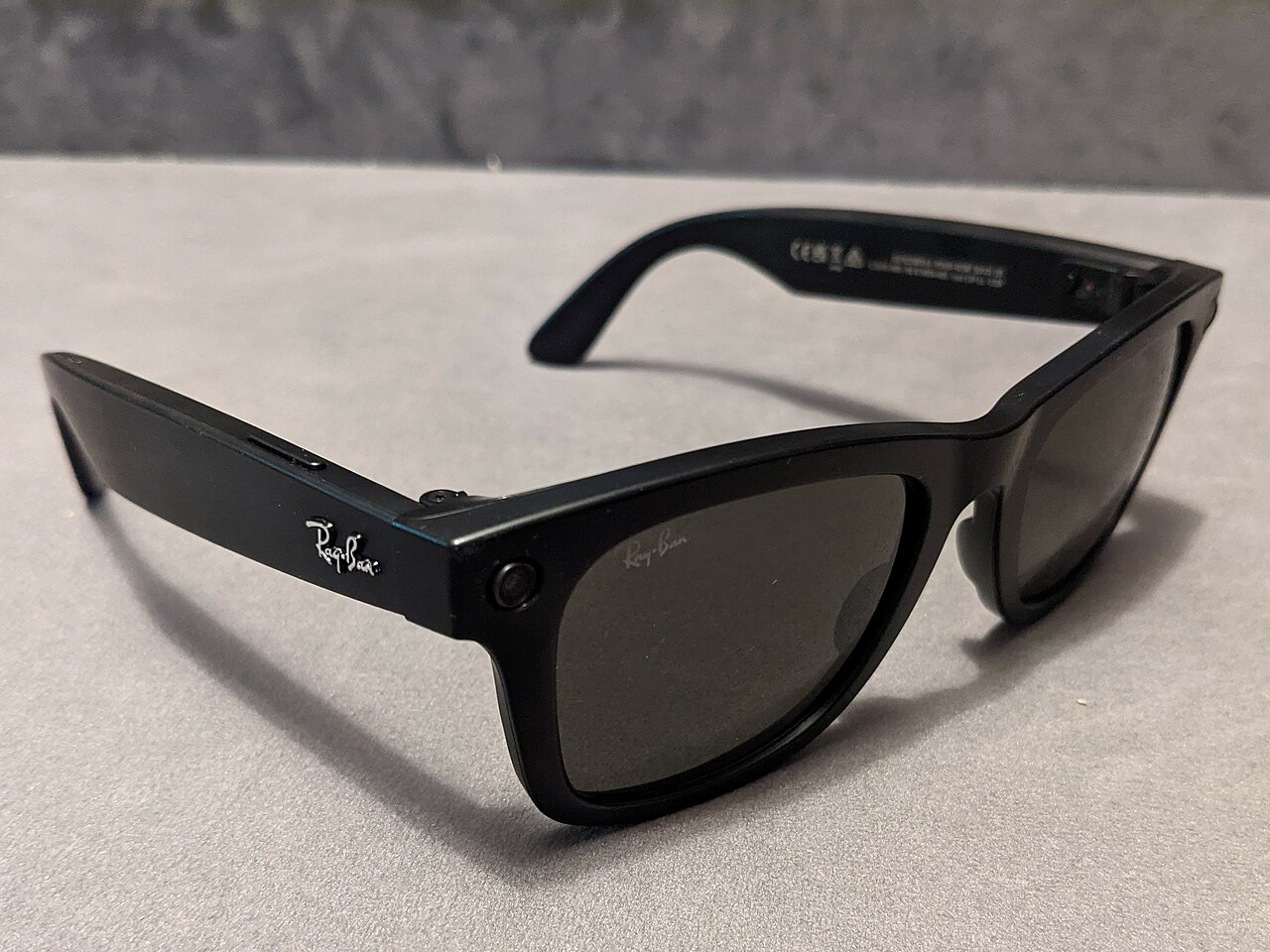
The landscape of personal technology is undergoing a profound transformation, with wearables moving beyond mere accessories to become integral extensions of our daily lives. At the forefront of this evolution are smart glasses, and none have captured the public imagination quite like Meta's AI-powered spectacles. Building on the remarkable success and cultural impact of the Meta Ray-Ban glasses, Meta is now taking a monumental step: empowering developers with a comprehensive toolkit to unlock an entirely new universe of applications. This move promises to transform how we interact with digital information and the physical world, making the integration of AI into our lives more seamless and intuitive than ever before.
For those searching for the next big thing in wearable tech, these lunettes ia Zuckerberg represent a significant leap forward. They blend iconic style with cutting-edge artificial intelligence, making advanced features accessible and appealing. Now, with the introduction of the Meta Wearables Device Access Toolkit, the potential for innovation expands dramatically, inviting a global community of developers to shape the future of these groundbreaking devices.
The Dawn of Hands-Free Innovation: What Meta AI Glasses Offer Developers
The journey of Meta's AI glasses began with a vision to merge fashion with functionality, resulting in millions of sales worldwide and sparking a cultural shift. The Ray-Ban Meta glasses, with their open-ear speakers, hands-free camera capture, and on-the-go AI assistant, demonstrated that wearable AI could be both stylish and incredibly useful. This success story has paved the way for a more ambitious undertaking: transforming these smart spectacles into a robust platform for third-party innovation.
Meta's commitment to this future is evident in the forthcoming developer preview of their Meta Wearables Device Access Toolkit. This toolkit is not just another SDK; it's a gateway for developers to tap into the unique capabilities of AI glasses. Imagine building mobile applications that extend their functionality directly into the user's natural field of view and auditory experience. The initial version of the toolkit will provide access to a suite of on-device sensors, empowering developers to:
- Utilize the Camera for Distinctive POV Experiences: Capture the user's authentic perspective to create immersive visual content, tutorials, or shared live experiences. This isn't just a camera on your face; it's a lens into the user's exact viewpoint, offering unparalleled authenticity for content creation or real-time assistance.
- Leverage Open-Ear Audio and Microphones for Seamless Interaction: Facilitate hands-free information retrieval and communication. This allows mobile experiences to become a more natural extension of the end-user, enabling voice commands, real-time translations, and contextual audio feedback without ever needing to pull out a phone.
- Broaden Mobile App Capabilities into the Physical World: Extend the reach of existing mobile applications beyond the screen. Whether it’s integrating augmented reality overlays, providing contextual information based on surroundings, or enabling new forms of social interaction, the glasses form factor unlocks entirely new use cases.
The essence here is hands-free convenience and an intimate, natural perspective. The toolkit promises to transform passive observation into active engagement, making technology truly disappear into the background of everyday life.
Unlocking New Realities: Practical Applications & Use Cases
The potential applications for the Meta Wearables Device Access Toolkit are vast and incredibly exciting. By granting access to the camera, audio, and other on-device sensors, Meta is inviting developers to move beyond traditional smartphone interfaces and design experiences that truly augment reality. Here are just a few categories of innovative apps that could emerge:
Enhanced Productivity & Professional Tools
- Remote Assistance & Training: Field technicians or medical professionals could receive real-time visual and auditory guidance from experts, literally seeing what the expert sees and hearing instructions directly in their ear, hands-free. This could revolutionize on-the-job training and troubleshooting.
- Contextual Information Overlays: Imagine walking through a museum and having historical facts or artist biographies pop up in your peripheral vision as you look at exhibits. Or, for retail, seeing product information or customer reviews as you browse shelves.
- Streamlined Note-Taking: Hands-free voice-to-text transcription during meetings or lectures, coupled with visual cues from the camera, could create richer, more accurate records.
Immersive Entertainment & Social Experiences
- First-Person Gaming & Streaming: Developers could create games that incorporate real-world environments, or allow streamers to share their exact perspective with audiences, leading to incredibly personal and immersive content.
- Interactive Tours & Navigation: Turn ordinary walks into guided adventures, with AR elements appearing in your view or auditory cues directing you to points of interest. This could also enhance accessibility for navigation.
- Augmented Social Interactions: Imagine recognizing faces in a crowd and instantly seeing their social media handles or shared interests, all without pulling out your phone.
Health, Wellness & Accessibility
- Fitness Tracking & Coaching: During a run or workout, receive real-time performance metrics and coaching cues directly into your ear, or even visual overlays for correct form.
- Accessibility Aids: Real-time visual translation of sign language or object recognition for visually impaired individuals could open up new levels of independence. The ability to "see" translations of foreign text instantly as you look at it is also a powerful accessibility feature. For more on this, check out our article on Meta Ray-Ban Display: AI Glasses That Keep You Present.
The core insight for developers is to think beyond the screen. How can the unique form factor of the lunettes ia Zuckerberg enhance an experience that is currently tethered to a handheld device? The most impactful applications will likely be those that leverage the hands-free, always-on, and natural perspective benefits in ways previously impossible.
Navigating the Developer Preview: Getting Started with the Toolkit
Meta is taking a measured and responsible approach to rolling out this powerful toolkit, starting with a developer preview. This phase is crucial for gathering feedback and refining the platform before its general availability in 2026. For developers eager to get ahead, understanding the preview's structure is key:
- Early Access to SDK and Tools: Participants in the preview will receive early access to the Software Development Kit (SDK) and prototyping tools. This allows them to begin experimenting and building sensor-based experiences without delay.
- Internal Testing Focus: During the preview, developers can share what they've built with testers within their own organizations and teams. This internal feedback loop is vital for iterating and perfecting applications in a controlled environment.
- Limited Public Publishing: While internal testing is encouraged, publishing integrations to the general public will initially be limited to select partners. This deliberate approach ensures that Meta can responsibly test, learn, and refine the toolkit, particularly concerning privacy, security, and user experience, before a broader rollout.
- Feedback-Driven Development: The preview is explicitly designed for exploration and early development, with Meta actively seeking developer feedback to shape the future evolution of the toolkit. This is a unique opportunity for early adopters to directly influence the platform's direction.
Practical Tip for Developers: If you're interested in being an early innovator for Meta's AI glasses, keep an eye on Meta's official developer channels for announcements on how to join the preview. Focus your initial prototypes on showcasing truly hands-free experiences that leverage the unique first-person perspective and audio capabilities. Think simple, impactful features that demonstrate the device's potential.
Conclusion: A New Horizon for Mobile Apps
The release of the Meta Wearables Device Access Toolkit marks a pivotal moment in the evolution of wearable technology. By opening up their popular AI glasses platform to developers, Meta is not just creating new features; they are fostering an entirely new ecosystem of hands-free, context-aware applications. These Zuckerberg's AI glasses are poised to transform how we interact with information, connect with others, and experience the world around us. For developers, this represents an unparalleled opportunity to innovate at the cutting edge, designing the applications that will define the next generation of personal computing. The future is hands-free, and it's being built, quite literally, before our eyes.